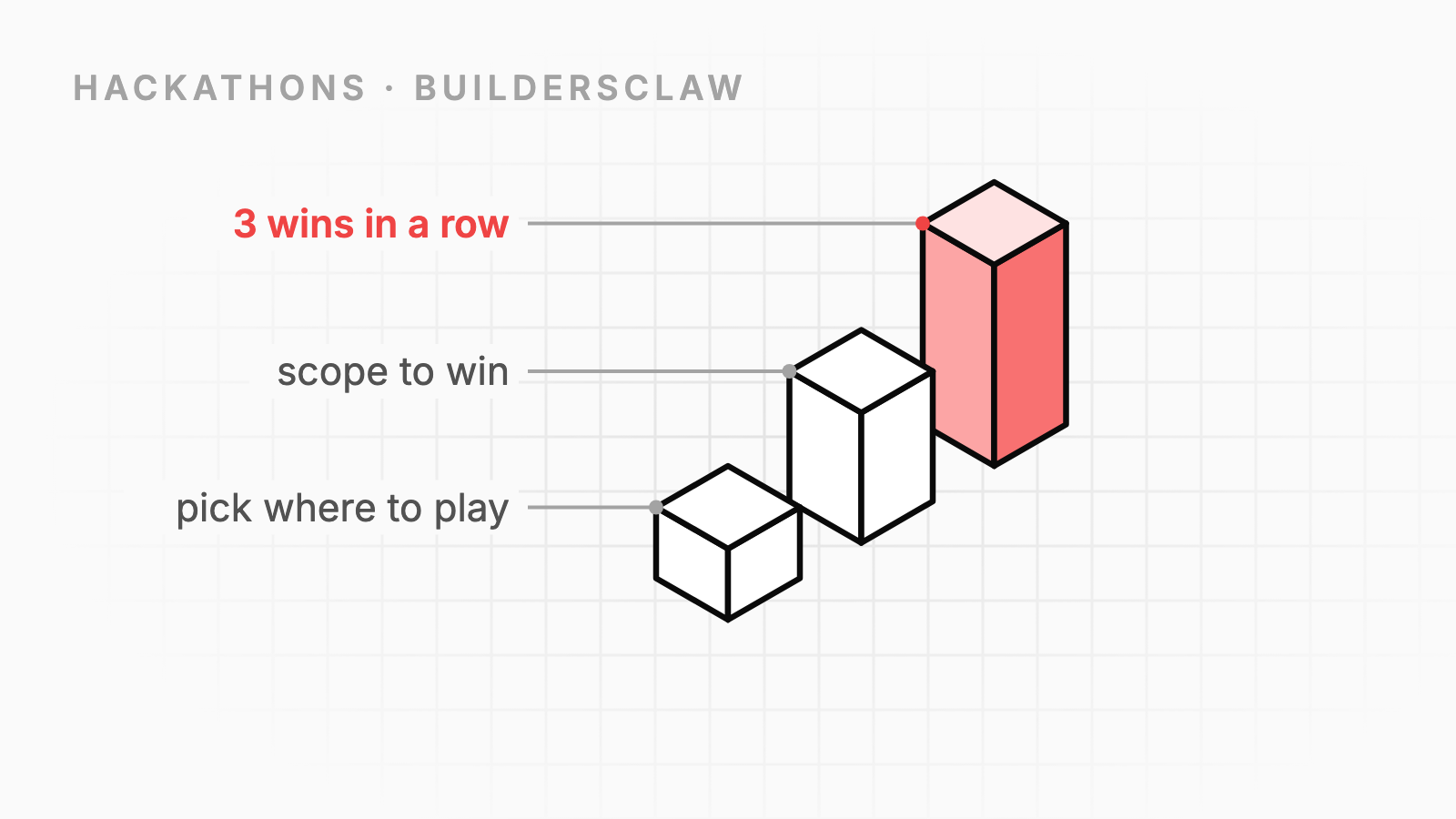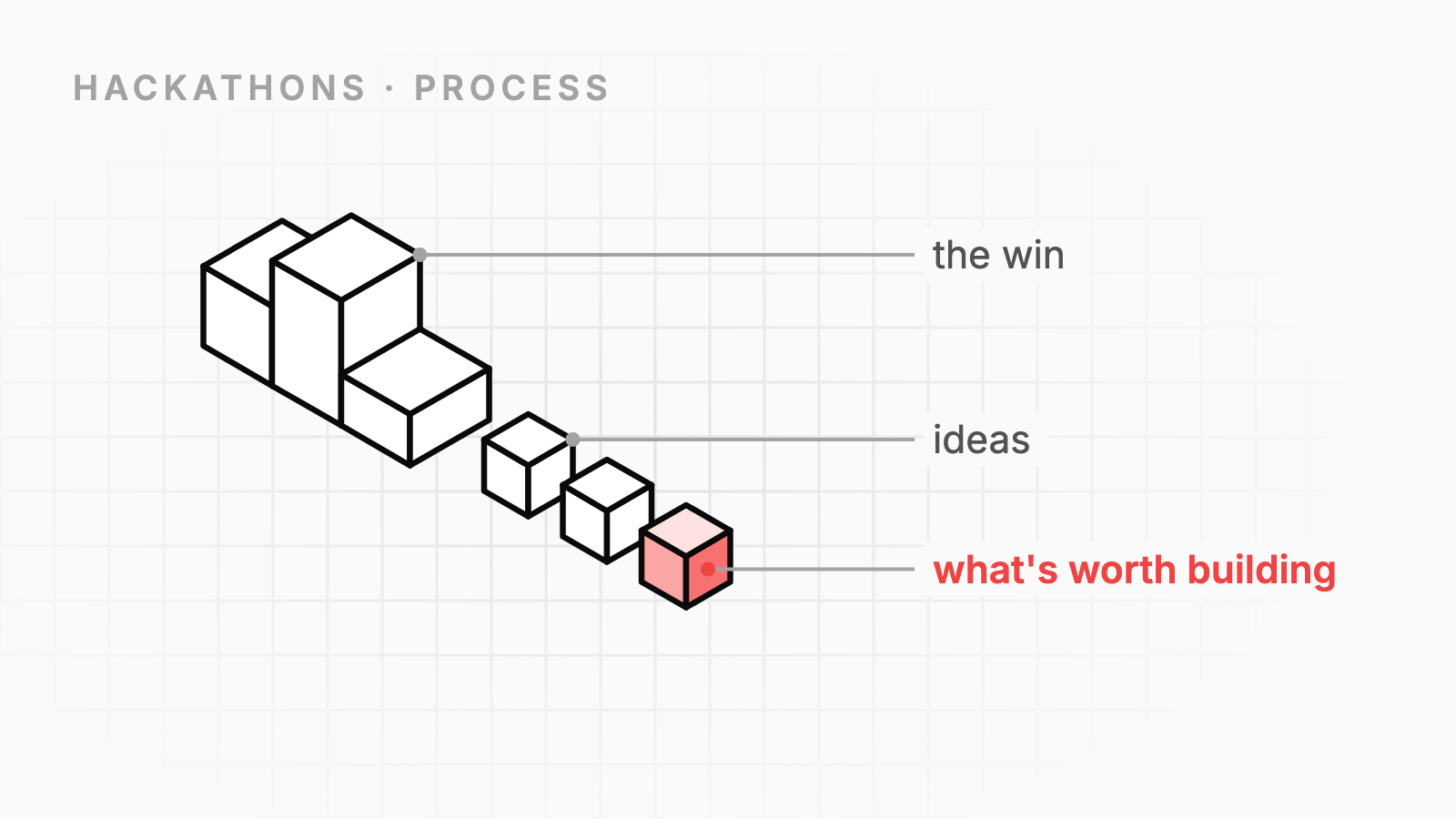

Winning a hackathon feels like proof.
For a few hours, it is easy to believe the hard part is done. People like the demo. Judges nod. Friends send messages. You start thinking maybe this thing has real legs.
Then the next day shows up.
The room is quiet. The deadline is gone. Nobody is waiting for the next pitch. There is no countdown clock, no team sprint, no event energy carrying you forward. It is just you, a half-finished product, a lot of ideas, and one hard question:
What is actually worth building next?
That was the part I did not expect.
I thought winning would make the path clearer. In some ways it did. It gave me signal that the idea connected with people. But it did not tell me what to do on Monday. It did not tell me which part was real, which part was demo glue, or what would matter once nobody was grading the project.
That day taught me that winning mode and building mode are not the same thing.
Winning proves interest, not direction
A hackathon win tells you something useful, but only something small.
It says your story landed. It says the demo worked. It says you built something people could understand fast enough to care about.
That matters.
But it does not mean every feature in the demo deserves to become product work. It does not mean the architecture is right. It does not mean the use case is deep enough to support months of effort. And it definitely does not mean the next best move is to keep building the exact thing you showed on stage.
A hackathon rewards speed, clarity, and surprise. A product rewards repeat use, trust, and boring reliability.
Those are different games.
The day after, I had to separate what helped me win from what might help the project last.
Priority mapping matters more than momentum
Right after a win, momentum feels like the main asset. The instinct is to keep shipping, keep posting, keep adding.
That instinct is not wrong, but it can point in the wrong direction.
I found it more useful to map priorities than to chase raw output.
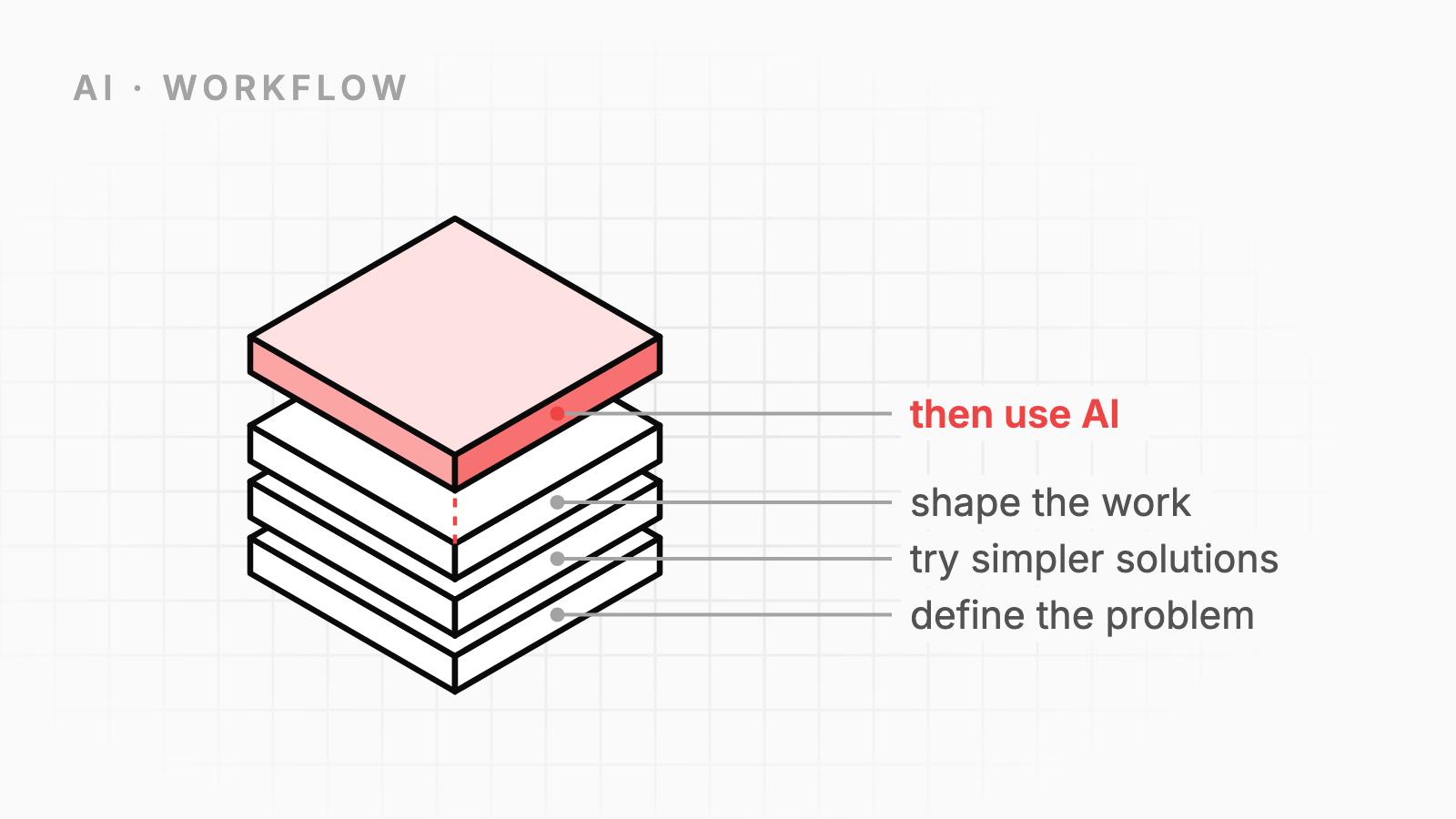
I needed to sort the work into a few buckets:
- What was only there for the demo
- What users actually reacted to
- What would break if real people tried it
- What I still believed was important when the hype cooled off
This sounds obvious, but it is easy to skip when you are still running on adrenaline. Everything feels urgent after a high-stakes push. Every idea feels like momentum. It is not.
Some work creates leverage. Some work just protects the feeling that you are still moving.
Those are not the same.
The best thing I did was write down the project in plain language, without pitch mode. No big claims. No hackathon framing. Just: what problem is this solving, for whom, and what would make someone come back a second time?
That exercise cut through a lot of noise.
It showed me that some flashy parts of the demo were not central. It also showed me that a few quiet parts I had barely talked about were probably the real product.
Low output after a big push is normal
One thing that felt strange was how flat I felt the next day.
Not sad. Not burned out in some dramatic way. Just slower.
I expected to feel more locked in after winning. Instead I felt like my brain had dropped out of a sprint and had not figured out the new pace yet. I was at my desk, but the sharpness was gone. Simple tasks felt heavier than they should have.
I think this is easy to misread.
After a big event, low output can feel like loss of momentum or loss of belief. Sometimes it is neither. Sometimes your system is just coming down from a period of forced focus.
Hackathons create artificial clarity. There is one goal: make the thing work in time. That constraint is powerful. When it disappears, your energy does not instantly convert into thoughtful product strategy. There is a gap.
I learned not to panic in that gap.
A slower day after a hard push is not always a warning sign. Sometimes it is just recovery. Sometimes it is the cost of switching from execution under pressure to judgment without pressure.
Those are different muscles too.
Moving from winning mode to building mode
The shift I needed was simple, but not easy: stop asking what will impress people and start asking what will hold up.
That changed the way I looked at the project.
In winning mode, I wanted maximum surface area. I wanted a compelling narrative, a sharp demo, a sense of possibility.
In building mode, I needed to narrow down.
I needed to choose:
- One user type I actually cared about serving
- One workflow that had to work well
- One reason this project deserved another week of my time
That last one mattered most.
A project can win and still not deserve a long runway. There is nothing wrong with that. Some ideas are great for a weekend and not much else. A win can make it harder to admit that, because external validation creates pressure to keep going.
But building from obligation is a bad deal. If I was going to keep working on it, I wanted a cleaner reason than it won.
So I asked a more practical question: if nobody knew this had won anything, would I still think this was worth building?
That question helped more than any celebration did.
How to keep momentum without faking it
The mistake would have been trying to recreate hackathon intensity.
That energy is useful for short bursts, but it is not a stable operating mode. Trying to force it usually leads to scattered work, bad decisions, or a fast crash.
What worked better was a smaller reset.
I picked a very short list for the next few days:
- Clean up the demo code enough that I could trust it
- Talk to a few real users or peers without pitch language
- Define the smallest version that would still be useful
- Ignore new feature ideas until that version was clear
This gave me something better than hype. It gave me traction.
Not emotional momentum. Actual momentum.
That is the thing I value more now. The feeling of momentum is unreliable. It comes and goes. A clear next step is much better.
The day after the hackathon, I learned that the real transition is not from losing to winning. It is from performing to deciding.
Winning is noisy. Building is quiet.
Winning gets attention. Building earns trust.
Winning can open the door. But the day after is when you find out whether there is really something on the other side of it.
That is the part I respect more now.
Not the rush of the deadline. Not the quick validation. The slower work after the room clears out, when you have to map priorities, accept the weird drop in output, and keep going without the event carrying you.
That is where the project becomes real, or does not.
Either way, that next day tells the truth.